If you’re drawn to wild, remote places, a canoe trip on the Yukon River is a must. Stretching over 3,000 kilometers long, it flows from its headwaters in coastal northern British Columbia, through the Yukon, into Alaska and eventually empties into the Bering Sea.
Choose your adventure based on the distance you prefer. For a shorter journey, take out in Carmacks. If you’re seeking a longer adventure, paddle all the way to Dawson City. And if you’re craving a summer expedition, continue your journey to the Bering Sea. The Yukon River offers endless possibilities for every type of adventurer.
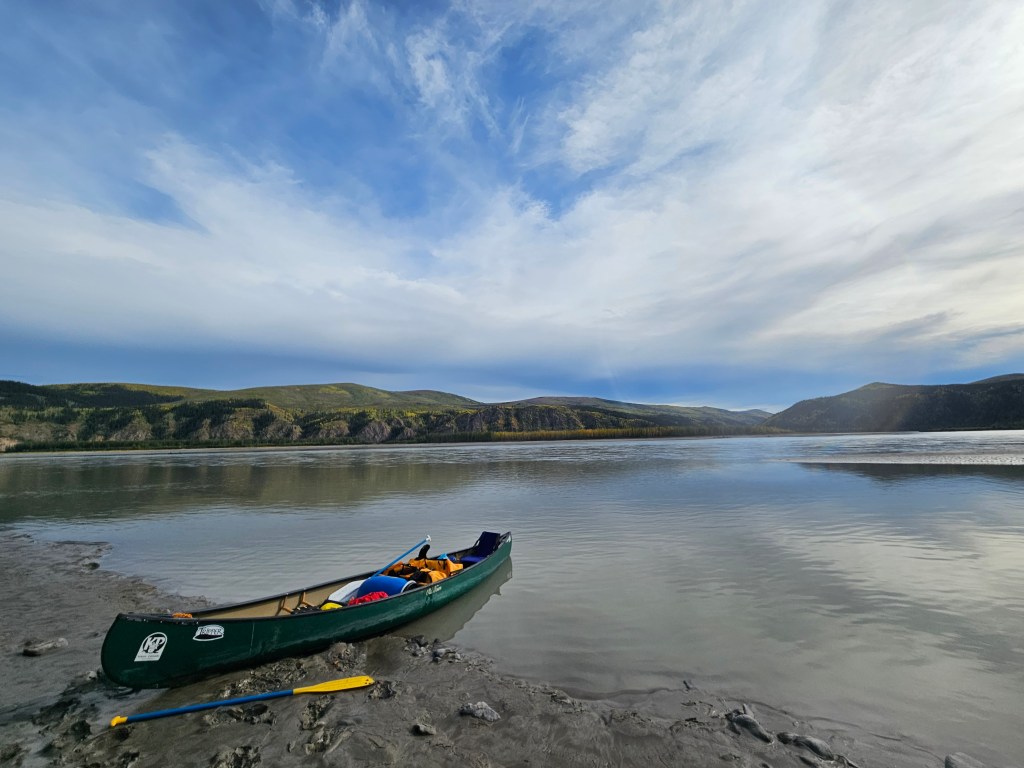
Our group of four embarked on the Whitehorse to Dawson City route, completing it in 9 days. While this was on the faster side – since we’re a group that prefers to stay on the move – the recommended duration is typically 14 to 16 days, with most travelers taking around 12 to 14 days to fully enjoy the journey.
Paddling breakdown
GPS Distance – 703 km
- Day 1 – 39.20 km
- Day 2 – 35.60 km
- Day 3 – 67.32 km
- Day 4 – 83.84 km
- Day 5 – 100.86 km
- Day 6 – 118.41 km
- Day 7 – 53.55 km
- Day 8 – 99.18 km
- Day 9 – 105.88 km
One might wonder how we planned this adventure, as there’s a lot to consider – from what to pack and how much food to bring, to deciding whether to rent or bring canoes, and figuring out how to get back to Whitehorse once the paddle is complete, not to mention countless other details . Keep reading to see how we tackled the trip!
planning the trip
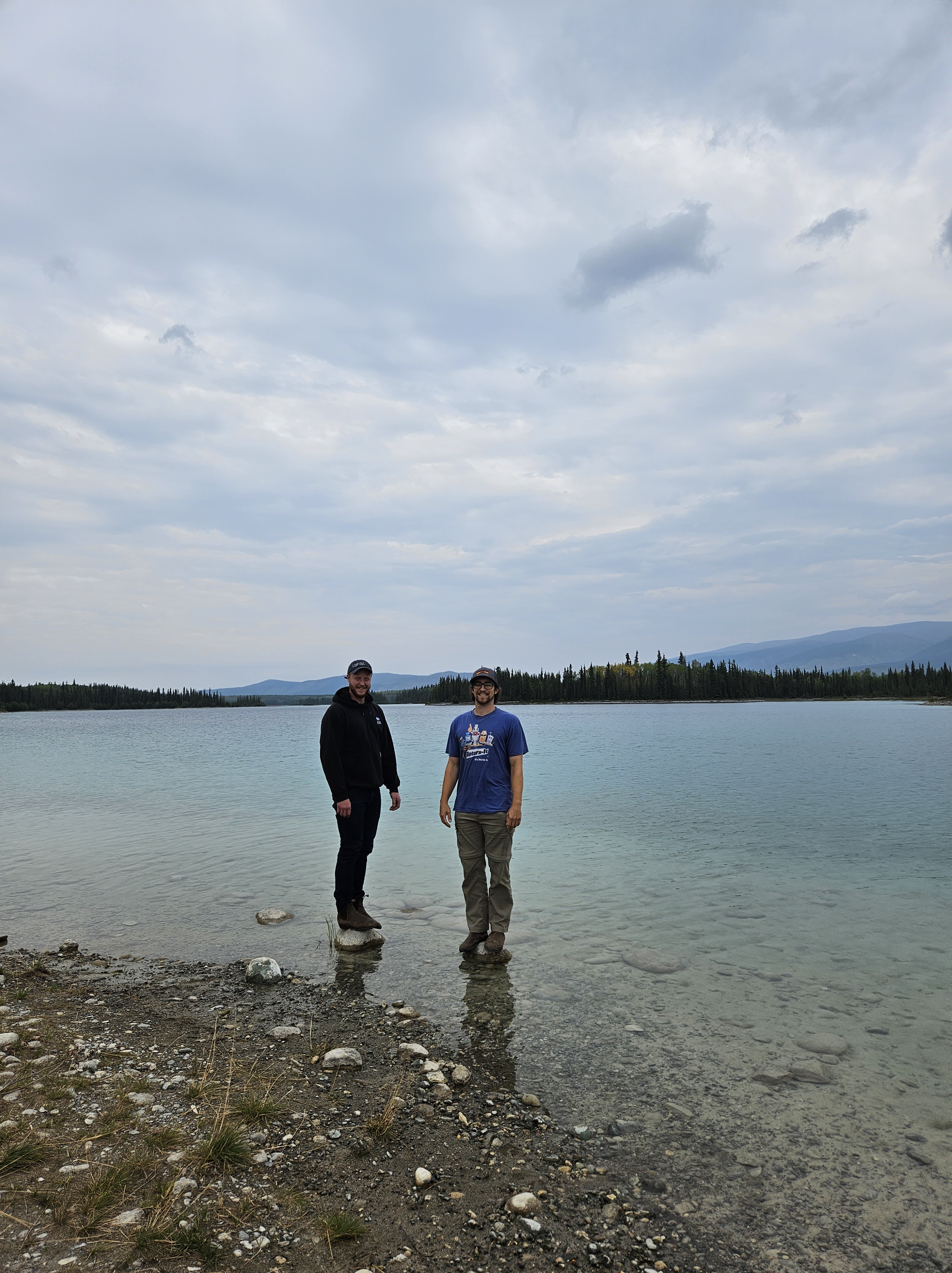
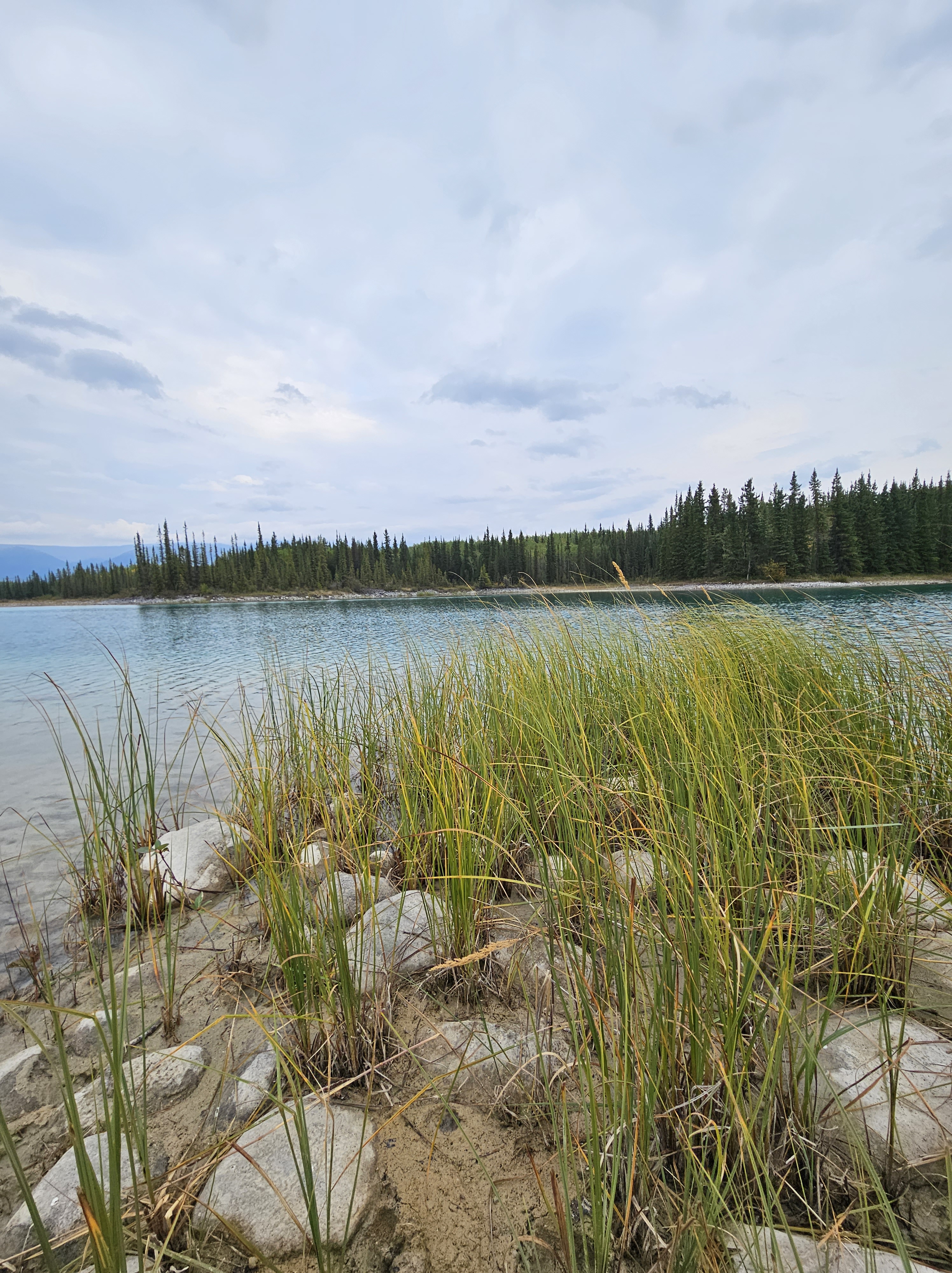
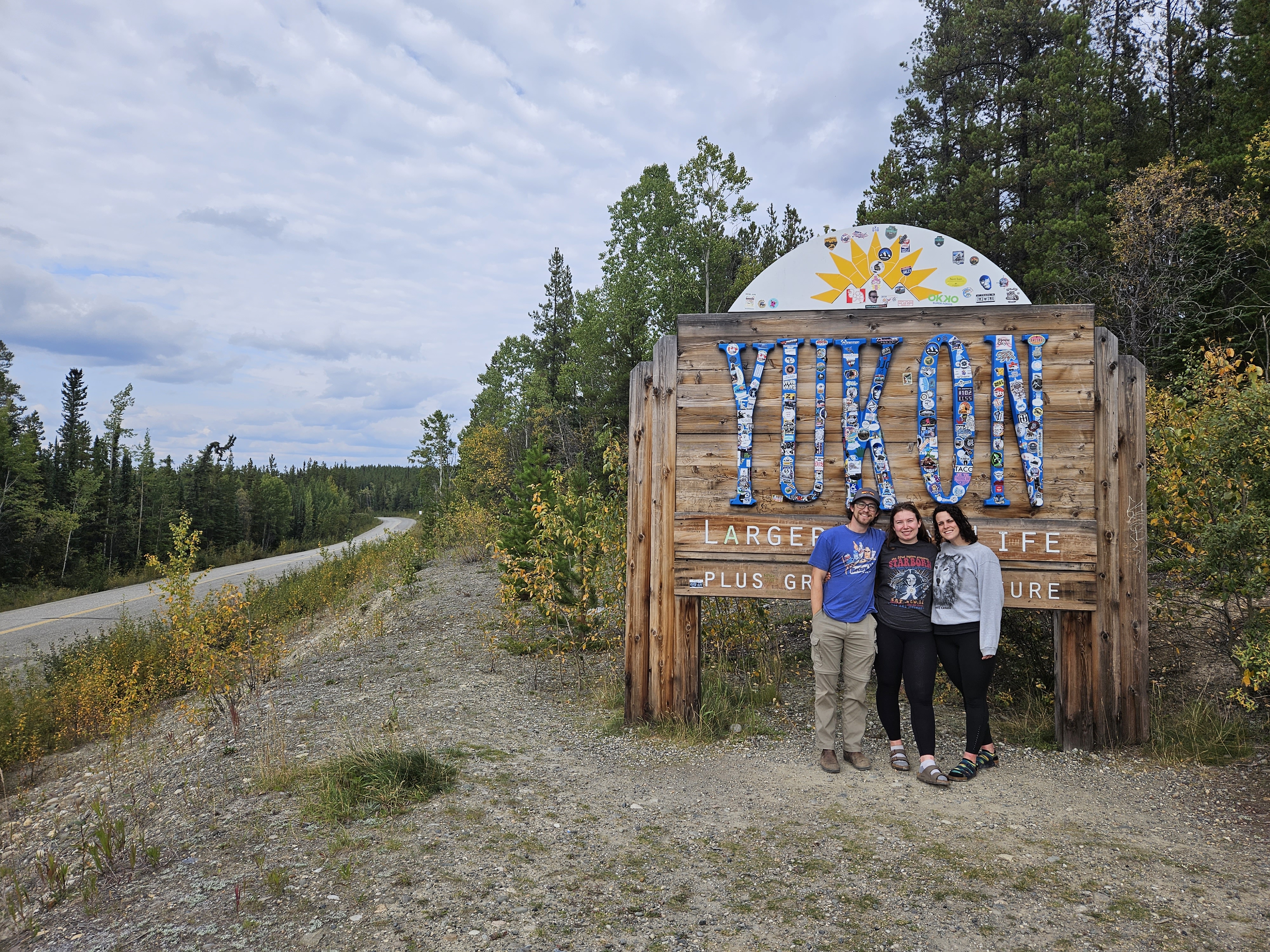
Our group is based in Prince George, and for three of us, it was our first time in the territory. We wanted to explore as much as we could so we decided to make the 19 hour drive up to Whitehorse. The first question we faced was figuring out how to launch in Whitehorse and finish in Dawson City – a 6 hour drive apart. Should we try to find transportation back to Whitehorse once we completed the paddle? We were also hoping to explore Tombstone Territorial Park if we had enough time, but how could we do that with the truck still in Whitehorse? Let’s dive into some of the options we considered!
Transportation
The first option was to pay for a shuttle service that would transport us and all our gear, including canoes, from Dawson City back to Whitehorse. Canoe rental companies such as Kanoe People, Up North Adventures and Yukon Wide Adventures offer this service.
However, this option did not give us the flexibility to explore other areas once we finished the paddle. You would also need to coordinate arrival with the shuttle, which would have put us on a tighter timeline. Additionally, it was quite expensive. We received prices based on a group of six, and the prices ranged from $1,500 to $1,800, depending on the company. Not only was this much more expensive than we had anticipated, but it was also our last choice, as it didn’t give us a lot of flexibility post paddling for exploring.
It was actually the owner of one of the canoe rental companies who recommended either taking the bus service or flying with Air North – a recommendation we were incredibly grateful for!
After giving it some thought about how we wanted to wrap up the trip, we decided the best plan was for two people from our group to drive up to Dawson City a day or two before we launched in Whitehorse, leave the truck there, and then either take the bus or fly back to Whitehorse.
In 2023, when we were planning, the Husky Bus cost $321.90 for two people. It departed Dawson City at noon and arrived in Whitehorse around 7:00 PM. Flying with Air North, it cost $338.10 for two people, with a flight departing Dawson at 6:10 PM and arriving in Whitehorse at 7:10 PM.
Note: As of 2024, the bus service is no longer in operation, but there are hopes to restart a regularly scheduled service. Be sure to check for updates before ruling it out as an option! The Klondike Experience does offer private charters for transport between Whitehorse and Dawson City.
Ultimately, we chose the flight option. The day before we launched, two members of our group left Whitehorse at 8:30 AM, drove the six hours to Dawson City, and left the truck at the airport. Later that evening, they took the flight back to Whitehorse and landed around 7:00 PM, meeting the rest of us downtown for supper. They were able to walk from the airport to downtown Whitehorse, and we all walked from downtown back to where we were camping at the Robert Service Campground.
Note: We did not transport our canoes back to Whitehorse, we paid a fee per canoe to leave them with an agent of the canoe rental company in Dawson City, see more on this below.
Canoe rentals
There are several canoe rental companies based in Whitehorse, and we recommend reaching out to them to find the best price and service for you (a lot of the pricing can also be found on their websites). The options are Kanoe People, Up North Adventures and Yukon Wide Adventures. For the Yukon River, Kanoe People and Up North Adventures offer rental packages based on a 16-day rental, with an additional daily fee if you need more than 16 days. Yukon Wide Adventures offered a per-day rate.
You could certainly paddle the river with your own canoes, but for us, it was much easier logistically to rent them instead of hauling them all the way from British Columbia and back – especially since we wanted to explore other areas after paddling. Renting the canoes meant we didn’t have to worry about securing them when they weren’t in use or deal with the wear and tear after thousands of kilometers of driving, plus 700 km of paddling!
kanoe people
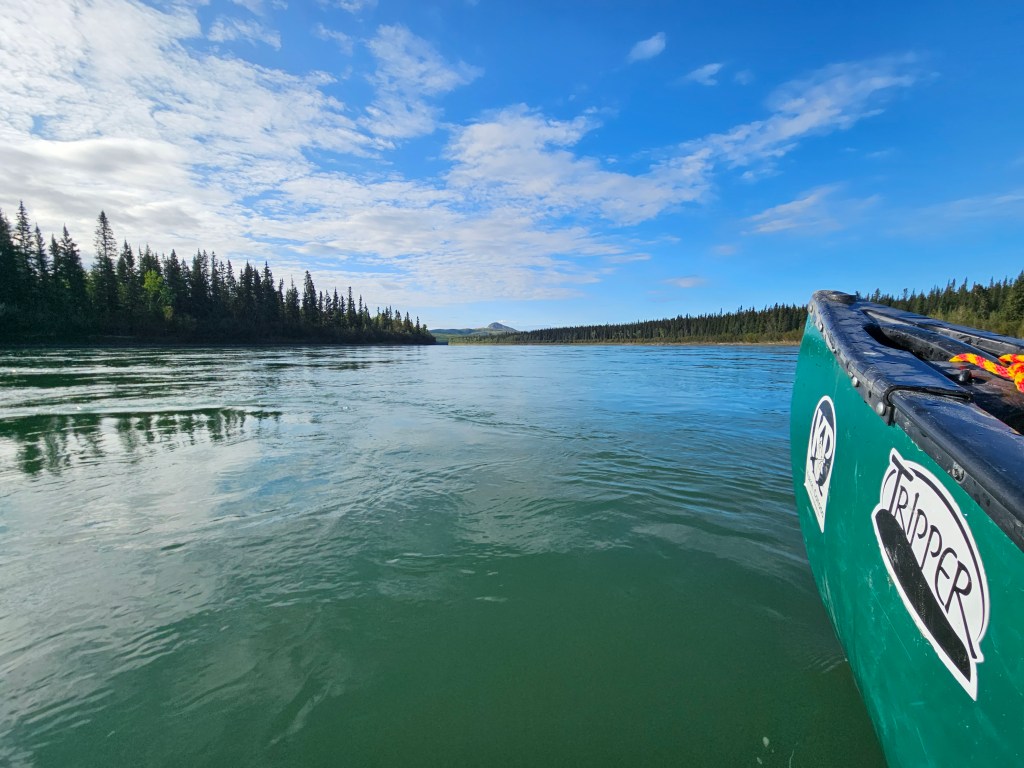
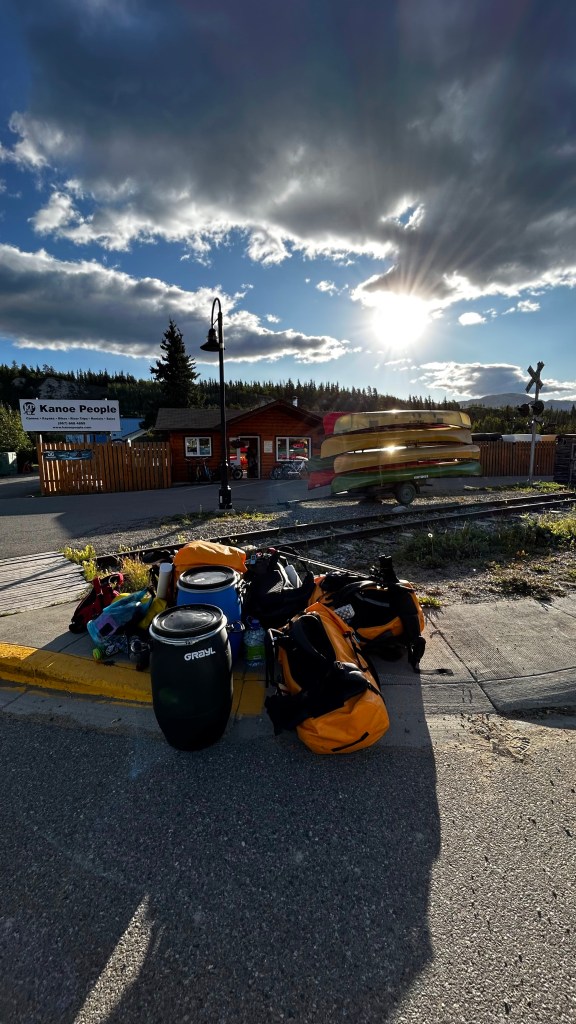
We rented two Old Town Trippers from Kanoe People, conveniently located right on the river, so we were able to launch directly from there. A big thanks to Scott for answering all our questions, being incredibly helpful and even catching up with us on launch day. We hope you made the trip to Newfoundland after all!
Since we did not return to Whitehorse immediately after finishing the paddle, we opted not to return the canoes. Instead, we paid a canoe drop fee of $95 per canoe, which allowed us to leave them with an agent of the rental company in Dawson City.
See the price breakdowns we were given for all companies below.
2023 price breakdown:
| KANOE PEOPLE | UP NORTH ADVENTURES | YUKON WIDE ADVENTURES | |
| Canoe Cost | $450/canoe (16 days) | $560/canoe (16 days) | $672/canoe (16 days) |
| Additional Equipment Included | 3 paddles, 2 PFDs, a bailer, end lines and a rescue throw bag | 3 paddles, 2 PFDs, a bailer, a sponge, a throwbag, bow & stern lines | 3 paddles, 2 PFDs, a bailer and a sponge |
| Canoe Drop Fee | $95/canoe | $95/canoe | – |
Note: We were unsure how long it would actually take us to paddle and we did not want to limit ourselves so the 16-day package rentals made the most sense at the time.
Where to stay in whitehorse
Where to stay in Whitehorse if you are camping waiting for your launch day? Depending on the type of accommodation you are looking for, Whitehorse offers plenty of options. Whether you’re considering hotels, Airbnbs or, like us, embracing camping life, there’s something for everyone!
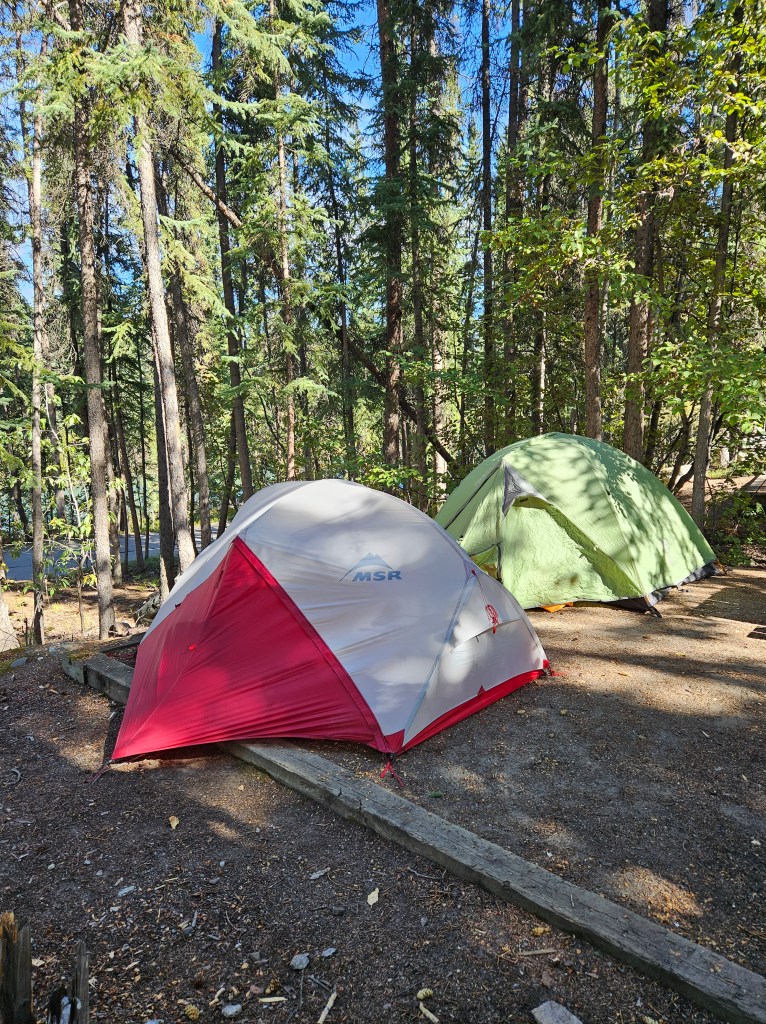
We stayed at the Robert Service Campground, which is just a 2.5 km walk from downtown Whitehorse. You can easily reach downtown via a multi-use paved trail that follows the Yukon River. The campground features 60 walk-in tent sites, 8 vehicle-accessible sites and 2 group sites – each equipped with a fire pit and picnic table.
The campground also offers coin-operated showers, bathrooms, potable water, lockers and firewood to purchase. Reservations can be made here, with nightly rates starting at $35.00 for 2025.
launch day
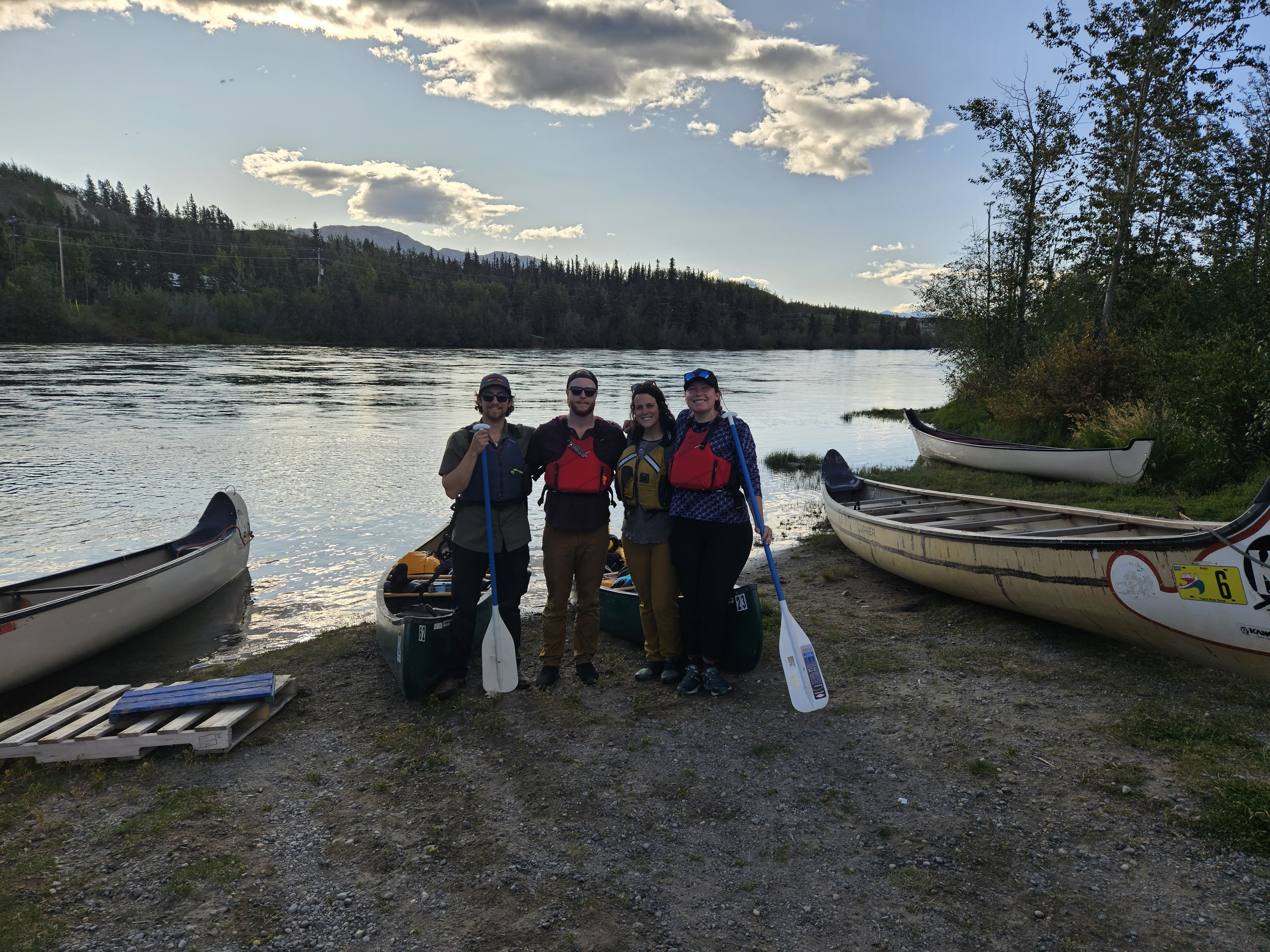
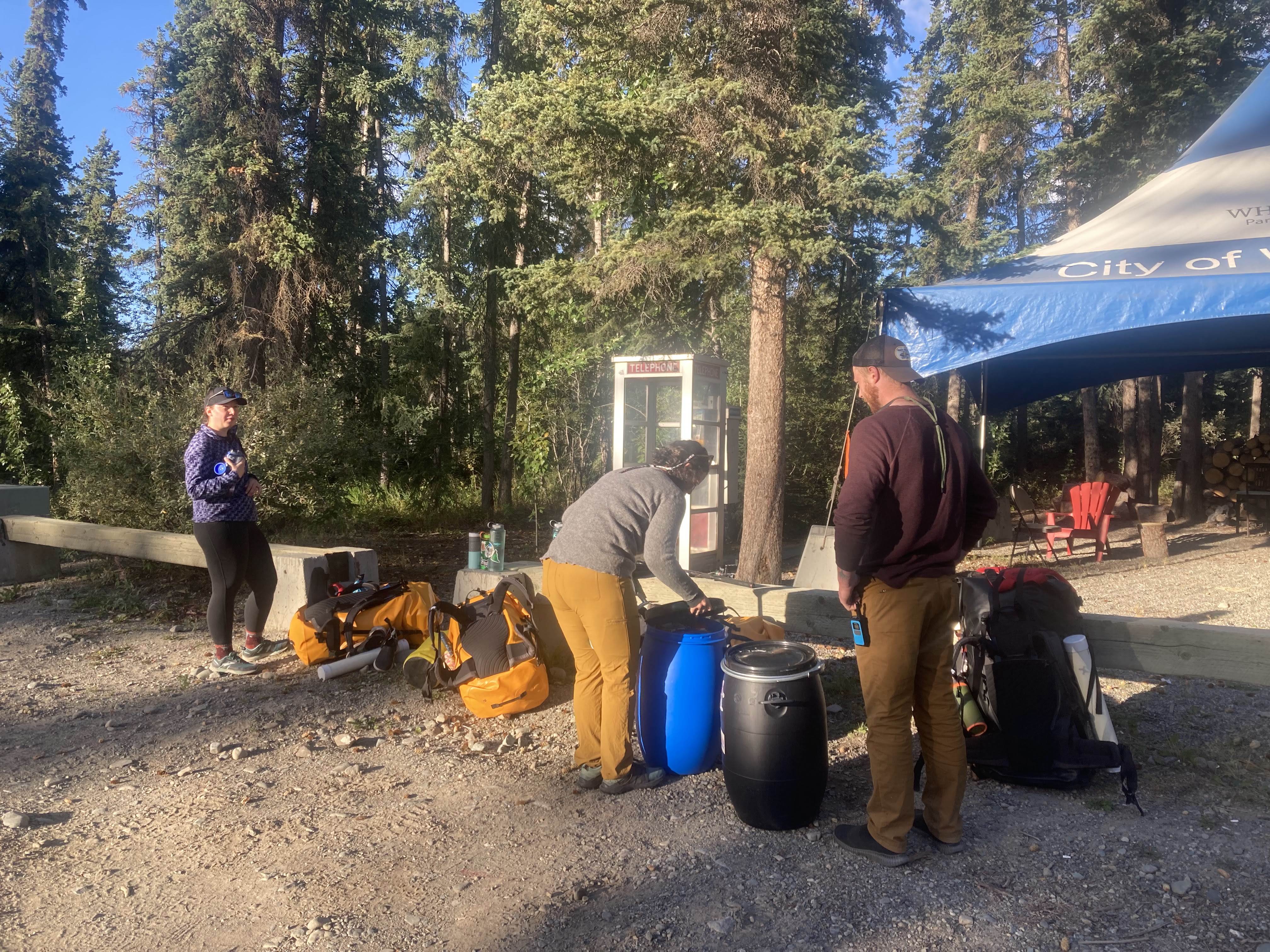
After spending a couple of nights at the Robert Service Campground, we were ready to launch on September 1st. Since our truck had been dropped off in Dawson City the day before, we didn’t have it available to store anything. However, the campground staff were kind enough to let us store our food barrels in the main office for the rest of the day and night. We picked them up from the office before heading to Kanoe People via cab at 9:00 AM to get started.
Once we got all the paperwork signed, and the canoes paid for, we geared up, packed the canoes, and launched around 10:00 AM, heading for Lake Laberge.
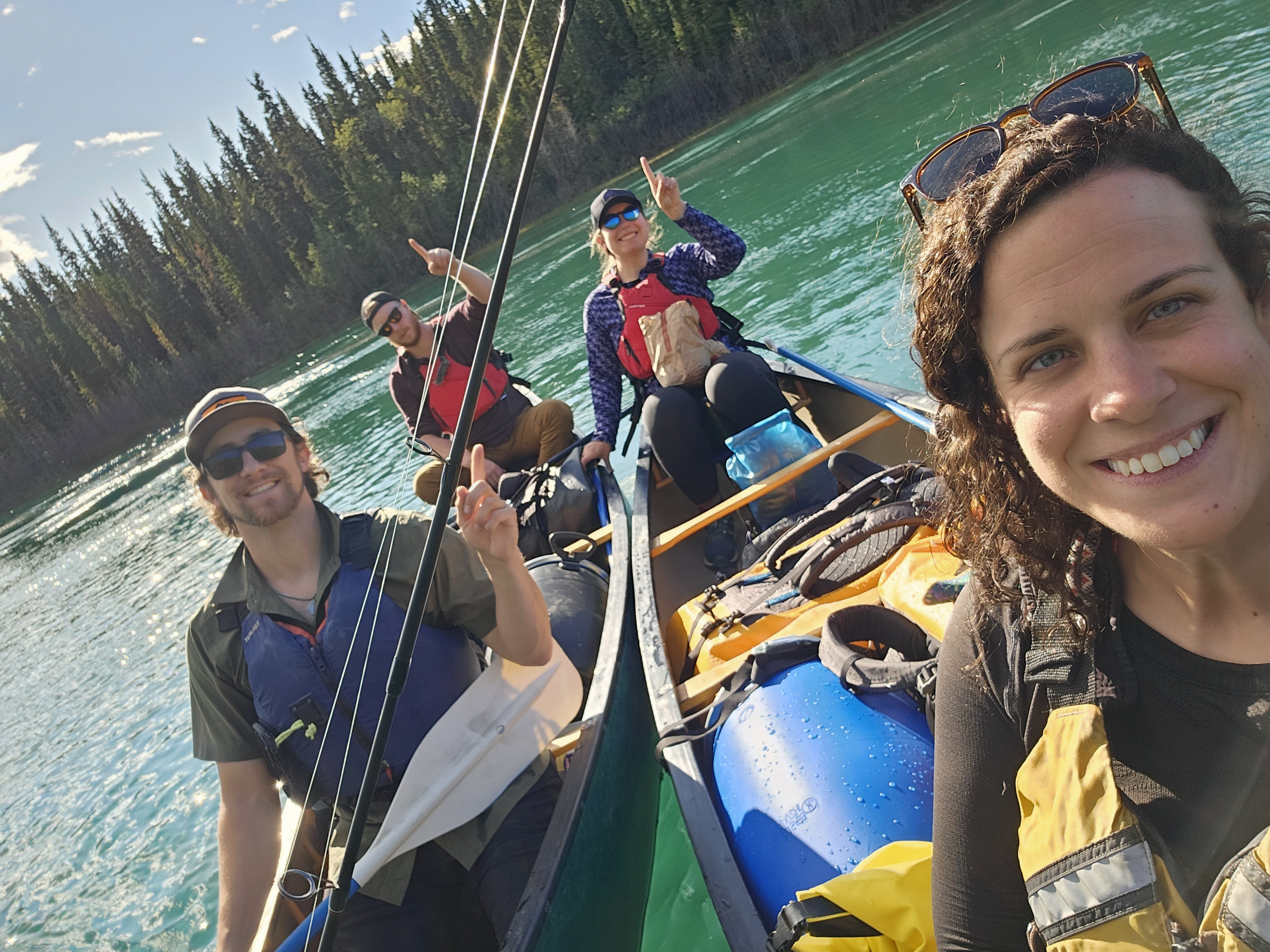
One important decision to consider is whether you want to paddle Lake Laberge. It’s a 50 km long lake, ranging from 2 to 5 km in width depending on where you are. With its vast scenery, cold water and often harsh, variable, unpredictable weather, it can feel a bit like paddling an ocean.
Due to the length and the challenging conditions some may encounter, many opt to skip paddling the lake entirely and instead be transported to the other side to launch. This can save you a couple of days on your itinerary.
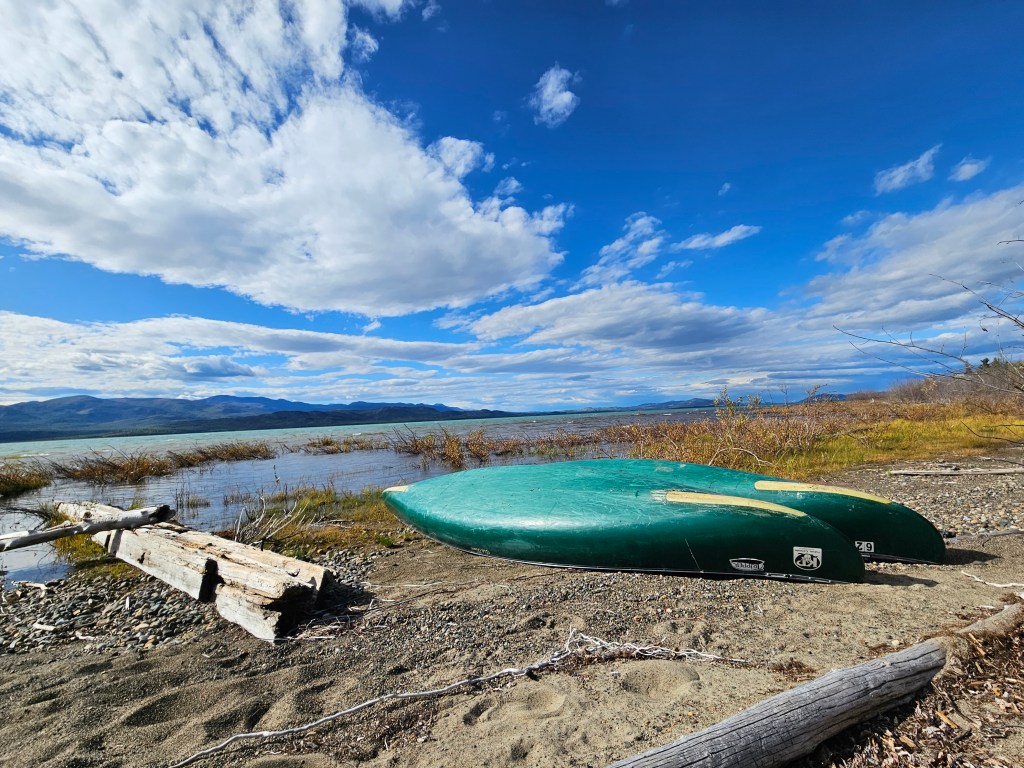
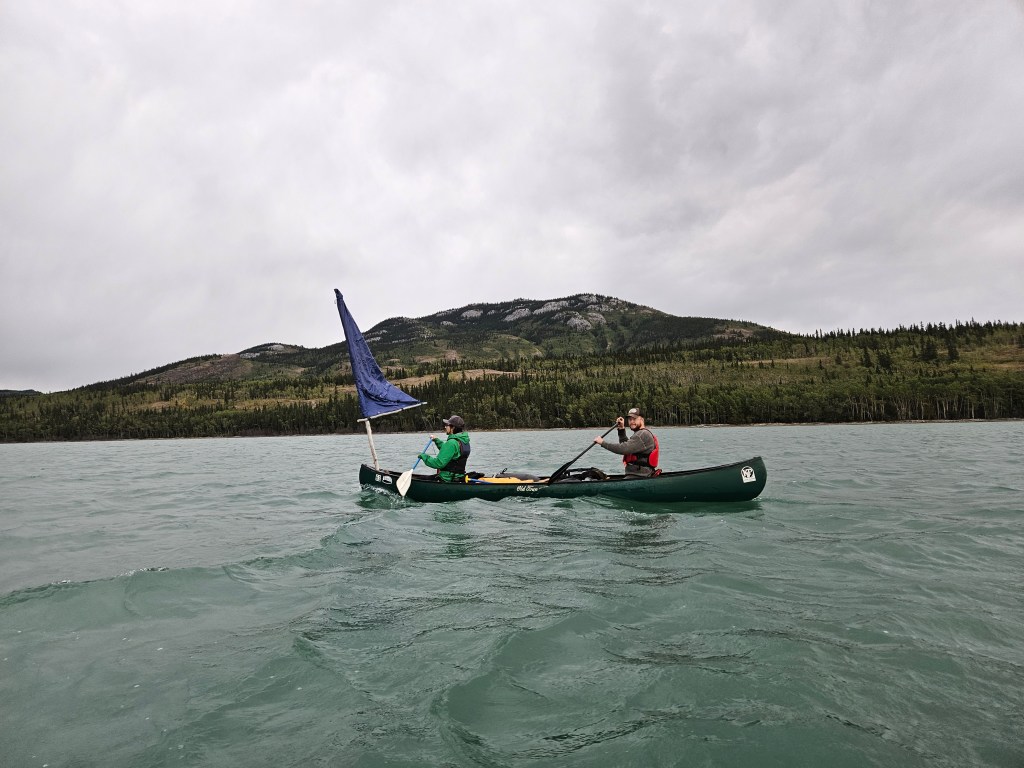
We decided to go for the full experience and paddle the lake. Before we launched, Scott had recommended staying along the right (east) side of Lake Laberge, as it is shorter and more direct. This goes against what most resources suggest, which typically recommends staying left (west) for more shelter and places to pull off the lake if needed, though it makes the route a little longer. We chose to stay right – and we were glad we did.
We entered the lake on Day 1, and the wind was strong. We were getting tossed around, so we decided to pull off the lake and find a spot to camp for the night. Over the next day and a half, we paddled the lake, and though we were never forced off the water again, we faced a lot of wind, rolling waves, and multiple sudden shifts in wind direction. We also encountered a mix of sun and rain. For an in-depth look at our paddle on Lake Laberge, including the stunning Thirty Mile section, be sure to check out our full adventure in our other blog post here!
maps/navigation
A highly recommended resource for your journey is Yukon River: Marsh Lake to Dawson City by Mike Rourke. It’s an invaluable guide, and you can purchase it here.
In addition to the book, we also utilized GPS coordinates from the Yukon Quest Race, which we found online. We overlaid these coordinates on imagery and created maps for Avenza, helping us identify landmarks and navigate through the various braiding channels along the river particularly beyond Minto.
finding a camping spot
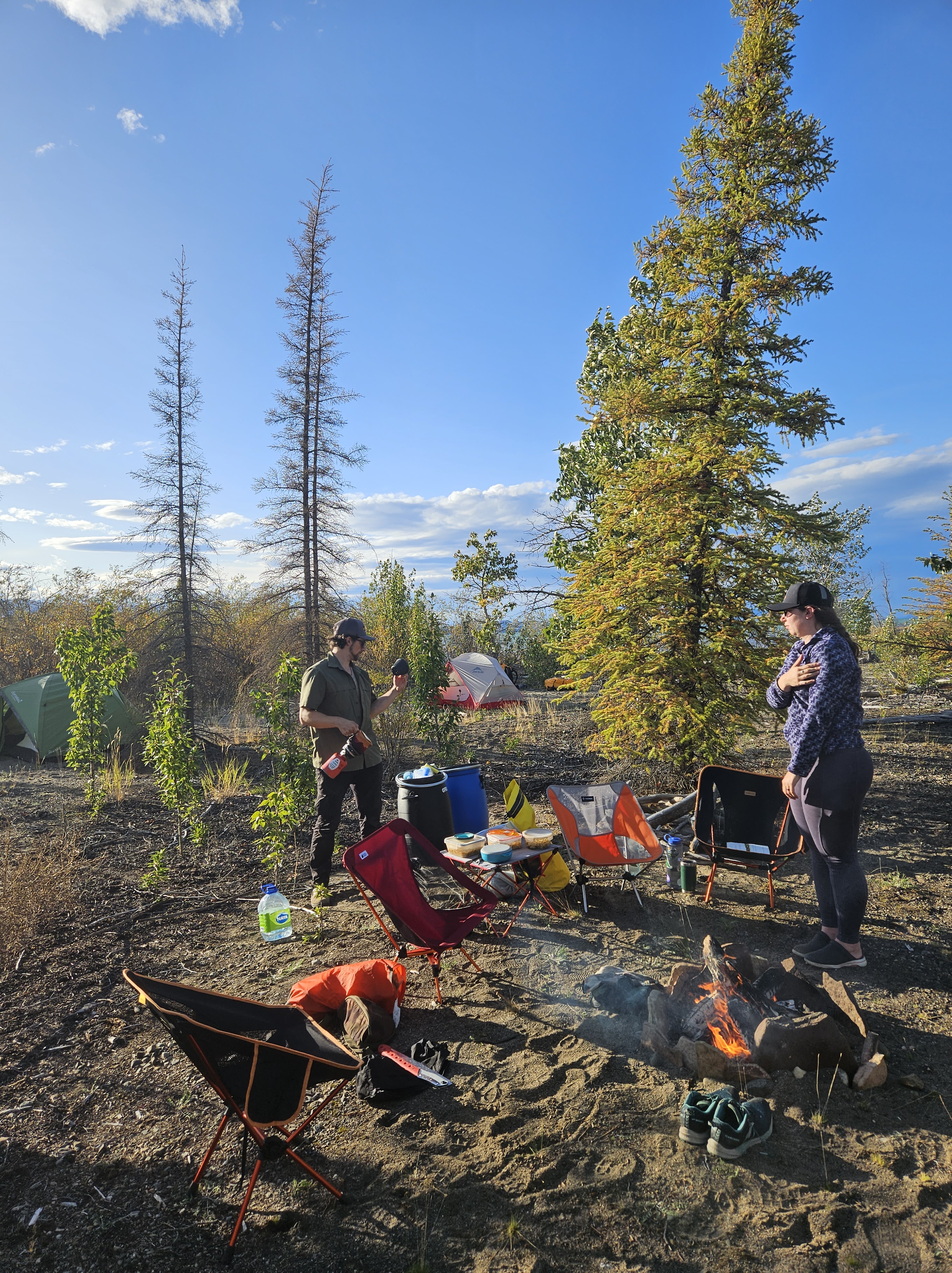
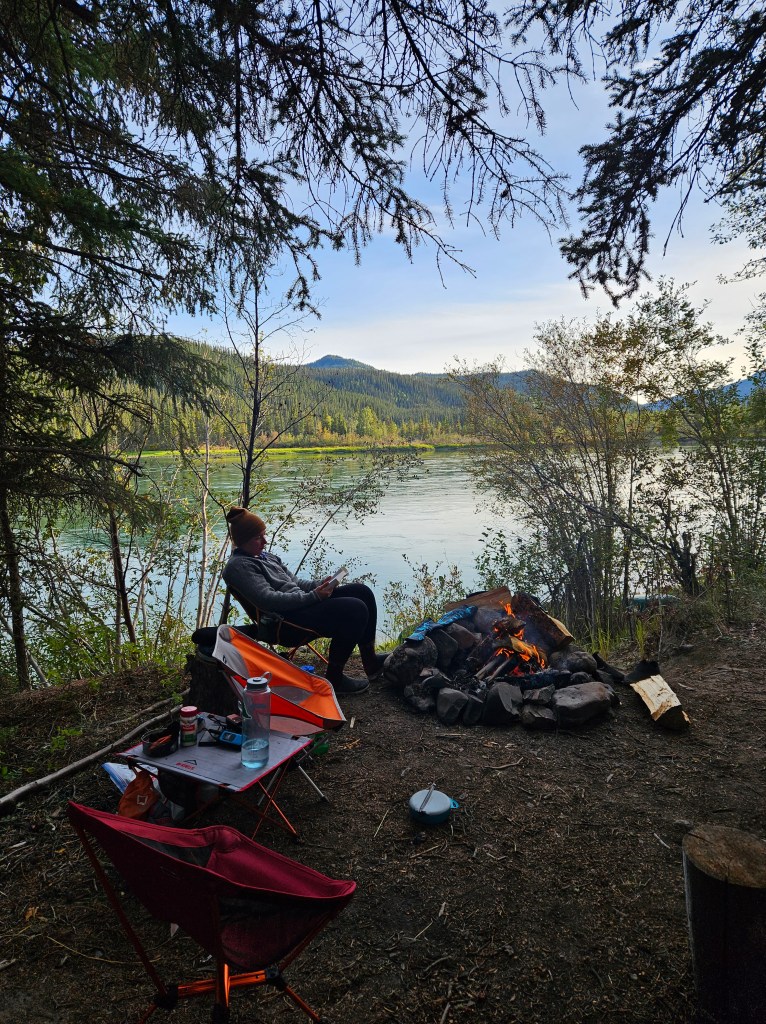
Camping options along the Yukon River vary depending on the water level. When the river is high, campsites are more limited, but when it’s low, you are able to camp on gravel bars and sandy beaches. Along Lake Laberge, there are also designated recreation sites available for camping. Mike Rourke’s book highlights potential camping spots, and we’ve detailed our own camping experiences here, including coordinates for reference.
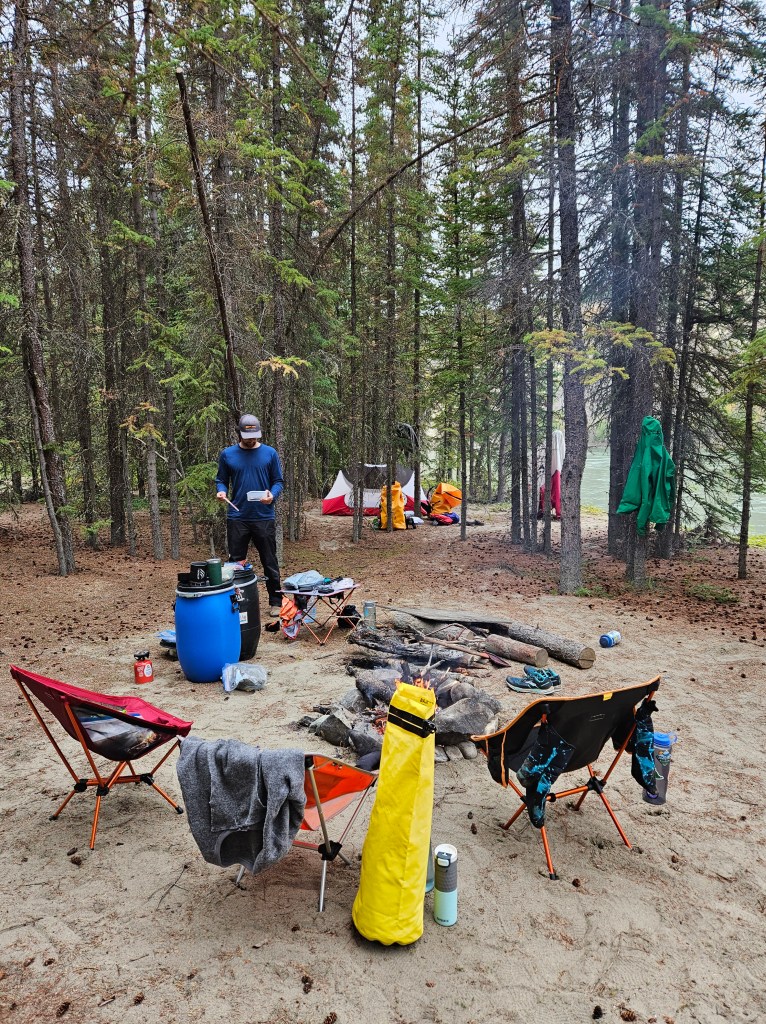
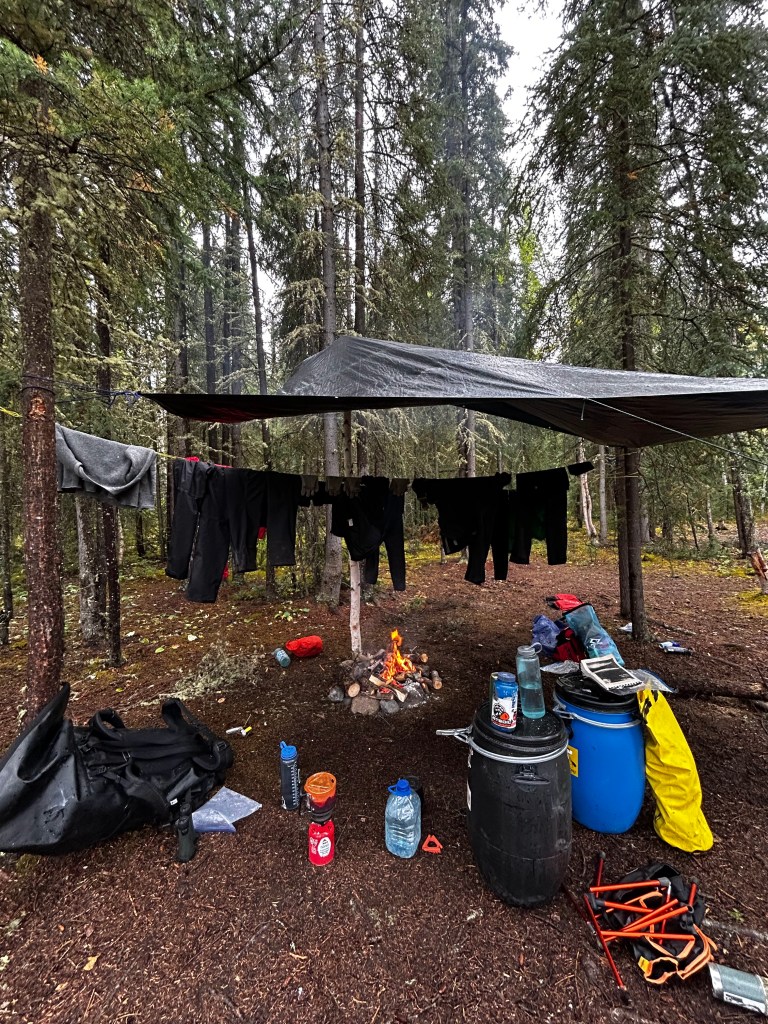
Always bear-proof your camp! During our journey, we encountered wildlife while drifting down the Yukon River, but we did come across grizzly bear scat on land. As incredible as it is to see wildlife, you do not want visits to your camp. Keep your cooking area separate from your sleeping area, store all smelly items away from where you sleep – practice those bear hangs.
Leave No Trace! Much of the river journey doesn’t have designated campsites with amenities like fire pits or pit toilets, so it’s crucial to leave nature as pristine as we found it. Dig cat holes, pack out what you pack in and leave areas as undisturbed as possible.
Food & Gear
You’ll need to bring all the food you’ll need with you! There are plenty of options whether you prefer non-perishable items, pre-made backpacking meals, or dehydrating your own.
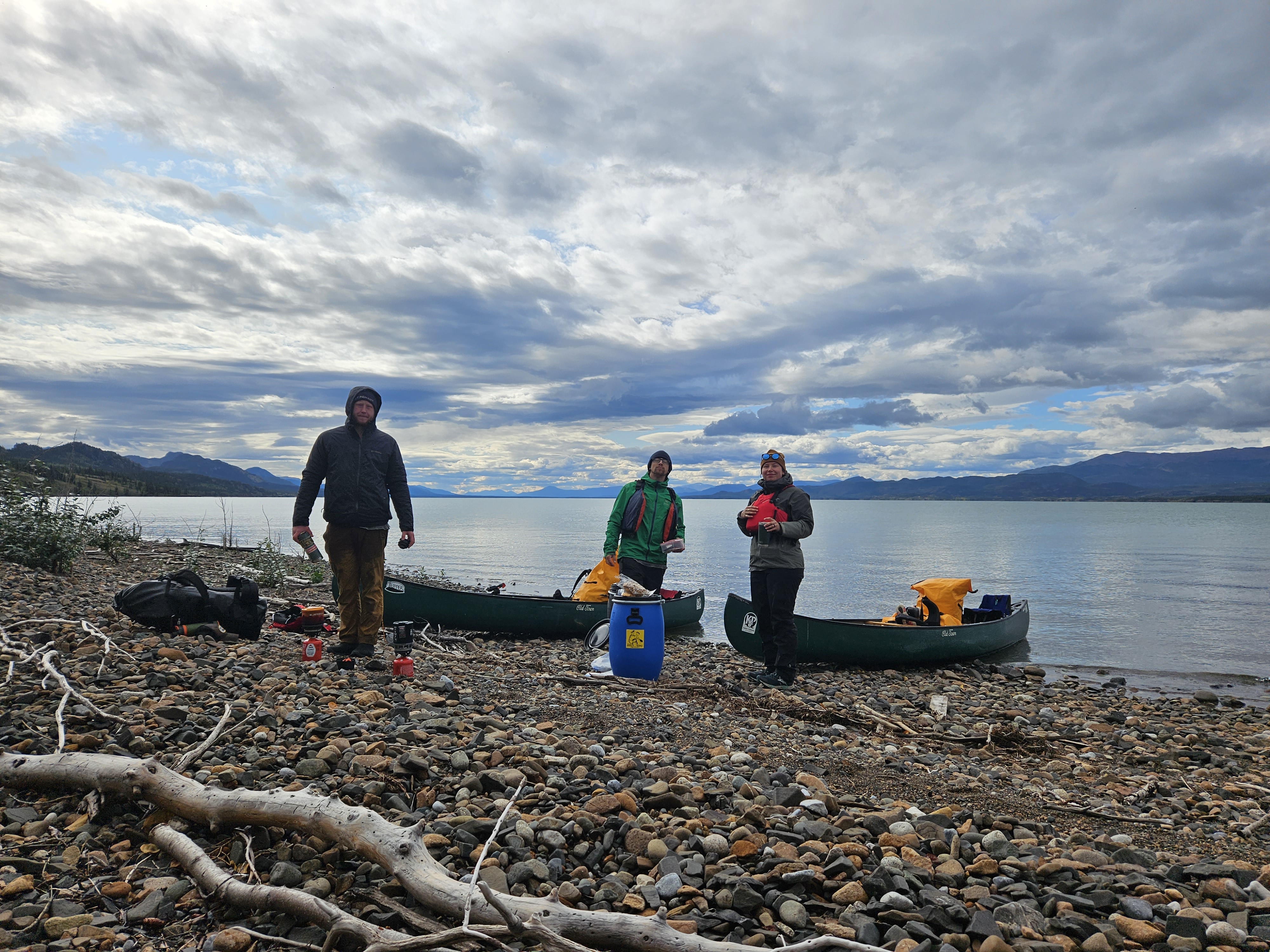
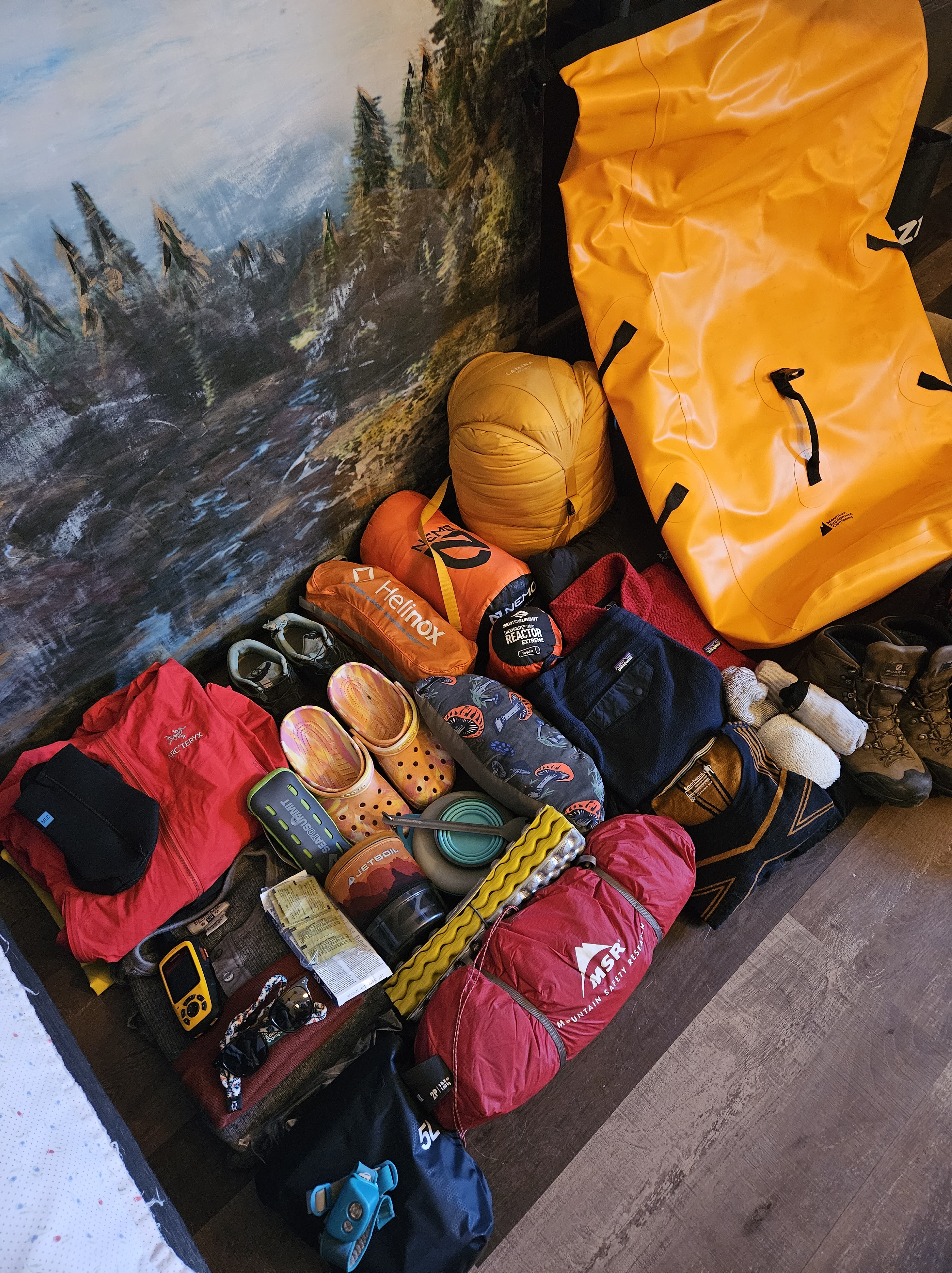
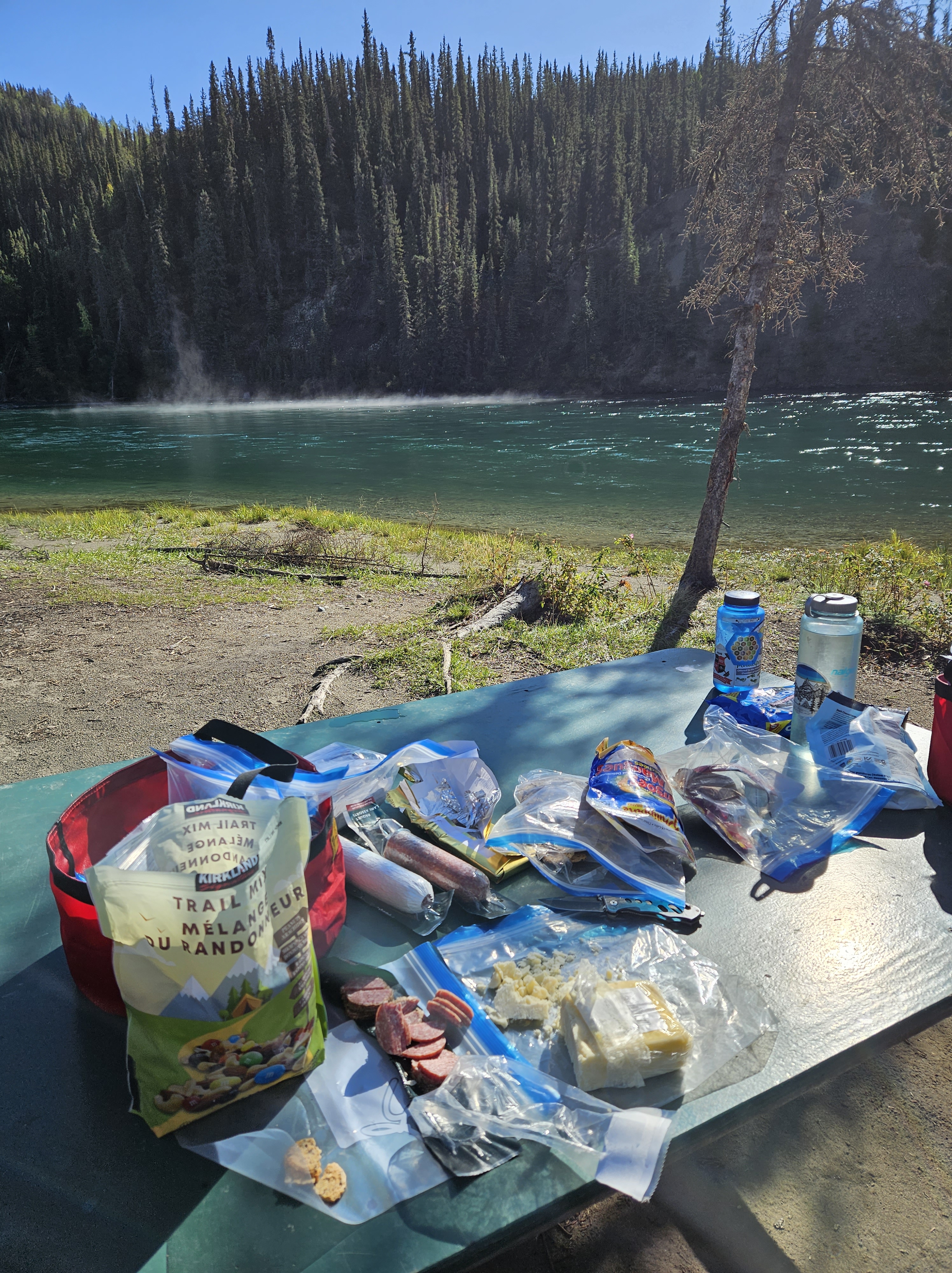
We opted to dehydrate two weeks’ worth of food. We find this method to be cheaper, tastier and much more compact. By bringing dehydrated meals for our suppers, we also reduce the amount of cooking equipment we need, avoiding the need to haul large stoves and pots/pans. Instead, we bring a couple Jetboils and containers for rehydrating our meals. For breakfasts, we stick with oatmeal, and for lunch, we bring our favourite cured meats and hard cheeses to create our own charcuterie. And of course, plenty of snacks fill our barrels.
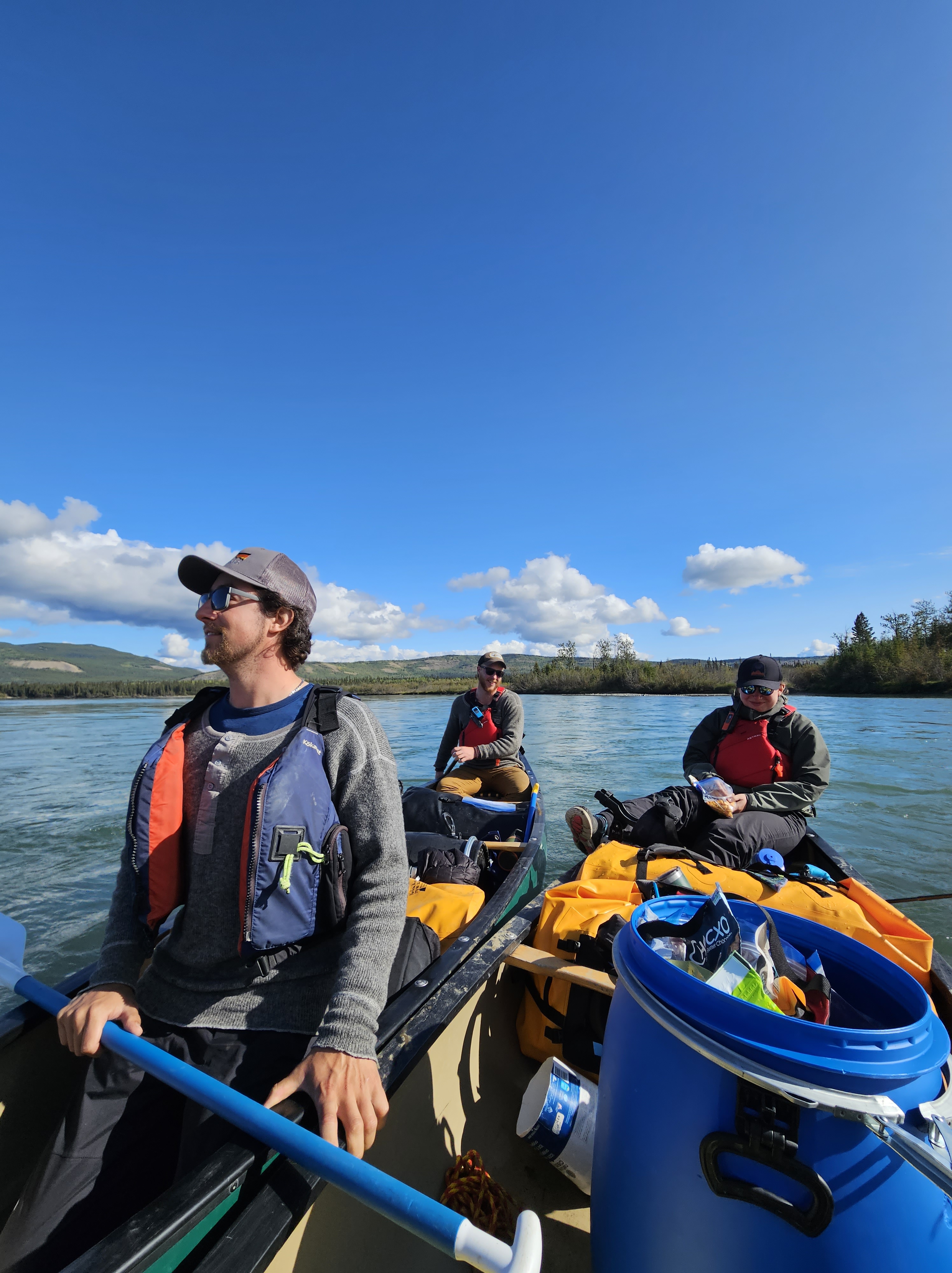
Always bring essential gear and make sure you have a way to keep it dry. A few items we always find useful include a water treatment method, appropriate shoes and/or neoprene socks, repair kits and don’t forget those tarps for those rainy days!
Stay tuned for upcoming blog posts where we’ll share our recipes, dehydrating process and gear lists! Remember – always carry more food than you will think you need! You never know, you may end up staying a few extra days due to weather, injury or any other reason.
safety
There are many guided trips down the Yukon River, which can be a great option if you do not have a lot of backcountry experience. However, for those doing self-guided trips, like we did, it’s essential to inform someone of your trip plan and carry all the necessary gear, including survival equipment – don’t forget your bear spray!
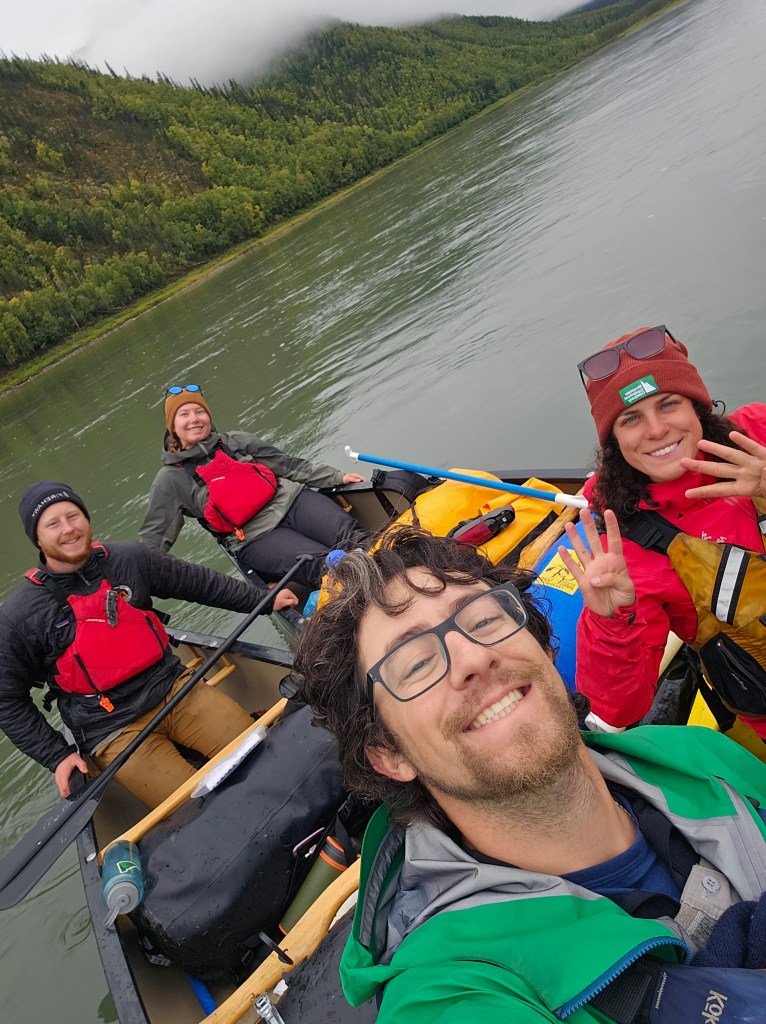
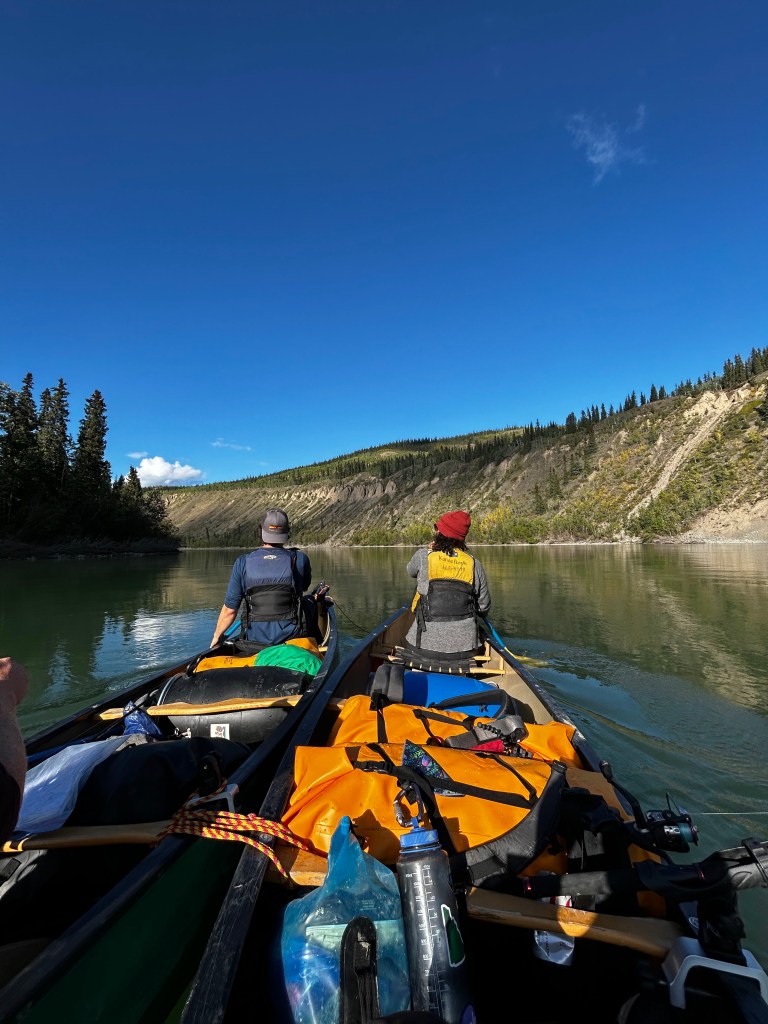
It’s possible that you may not encounter anyone during your trip, especially in the off-peak months. For instance, we didn’t see anyone for 4 or 5 days after leaving Minto, it wasn’t until we reached Dawson City that we had encountered people. If you need emergency assistance, help will take time to arrive, and a satellite communication device like an InReach, is highly recommended.
If you’re paddling Lake Laberge, be prepared for rough conditions. The wind speed and direction can change multiple times a day. If the conditions become too challenging, it’s best to get off the lake and wait for the weather to calm down.
Notes/considerations
- No permits necessary to paddle the Yukon River.
- You can skip Lake Laberge if it seems daunting or do not want to spend the extra days paddling on the lake.
- It is possible to start your paddle before Whitehorse on Marsh Lake.
- Open paddling season in the Yukon is from late May until mid-September
- If you are driving from BC to Whitehorse via the Stewart Cassiar Highway, notable places to stop and camp or explore:
- Stewart-Cassiar Highway
- Stewart, BC
- Meziadin Lake Park
- Boya Lake Provincial Park
- Alaska Highway
- Muncho Lake
- Liard Hot Springs
- Stewart-Cassiar Highway
- Don’t forget those fishing permits!
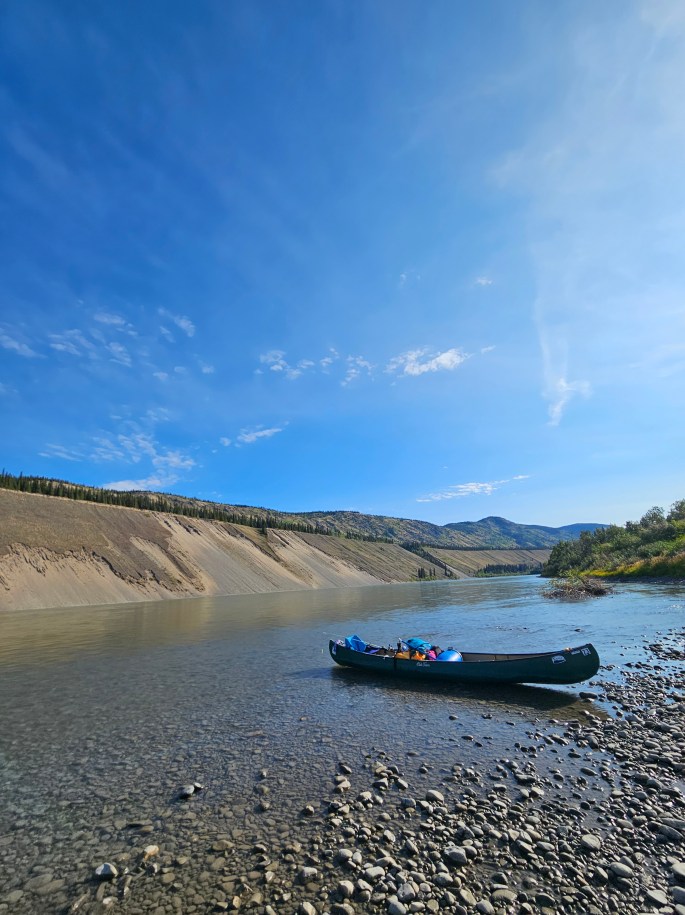
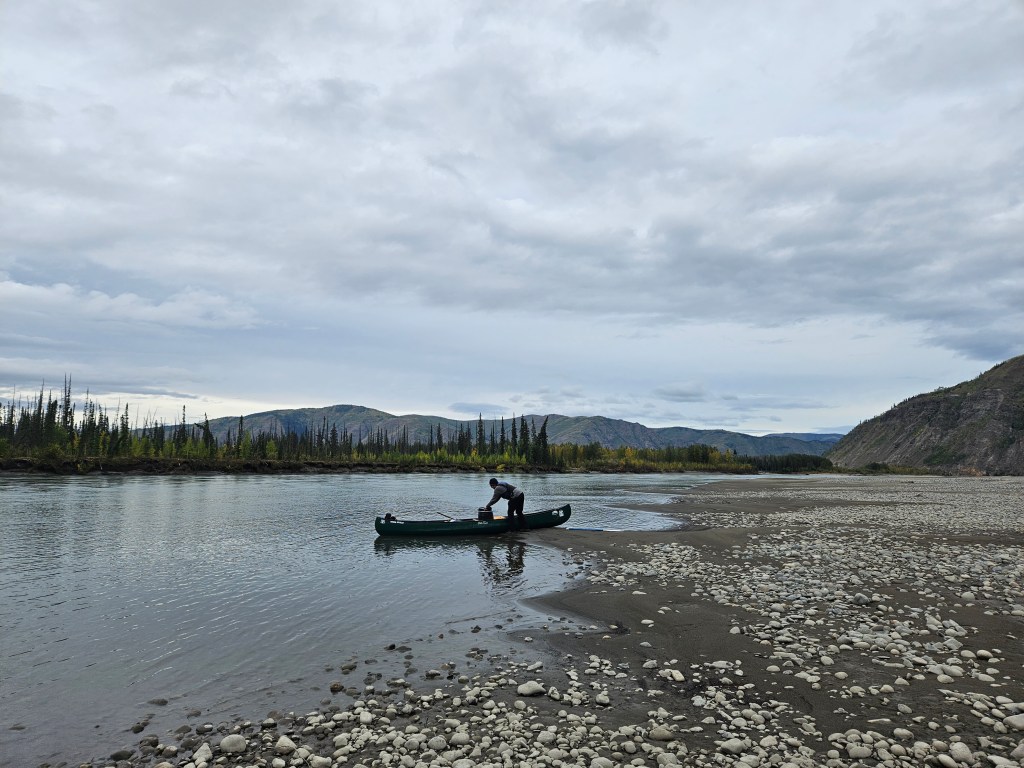
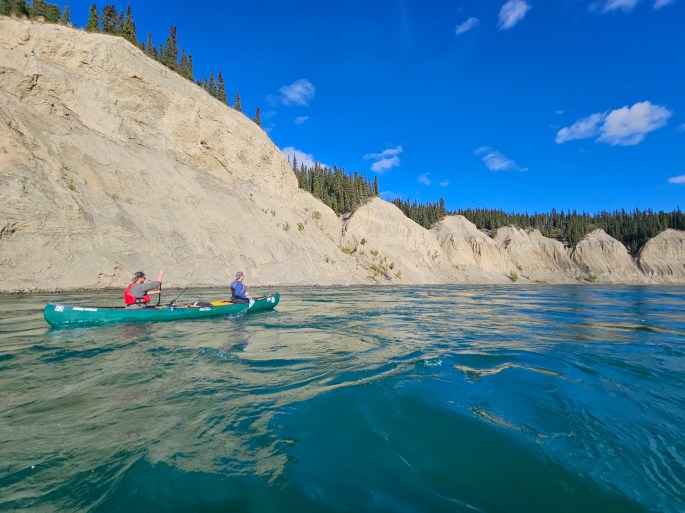
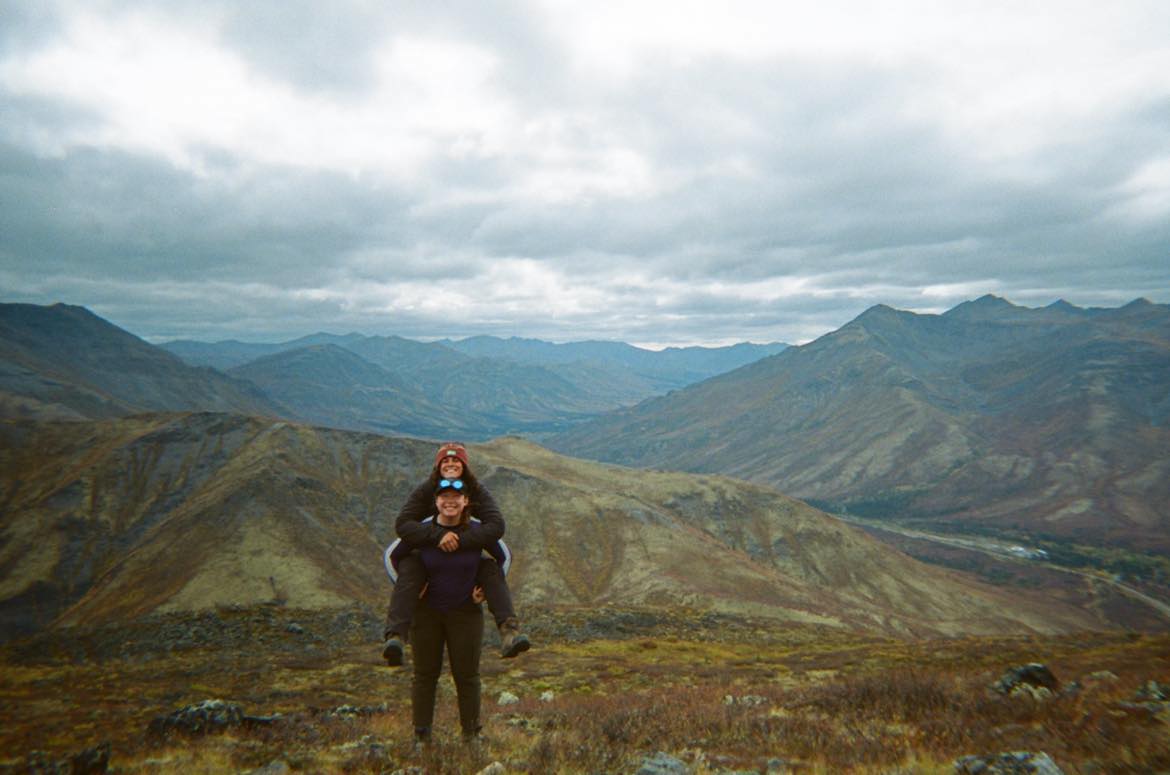
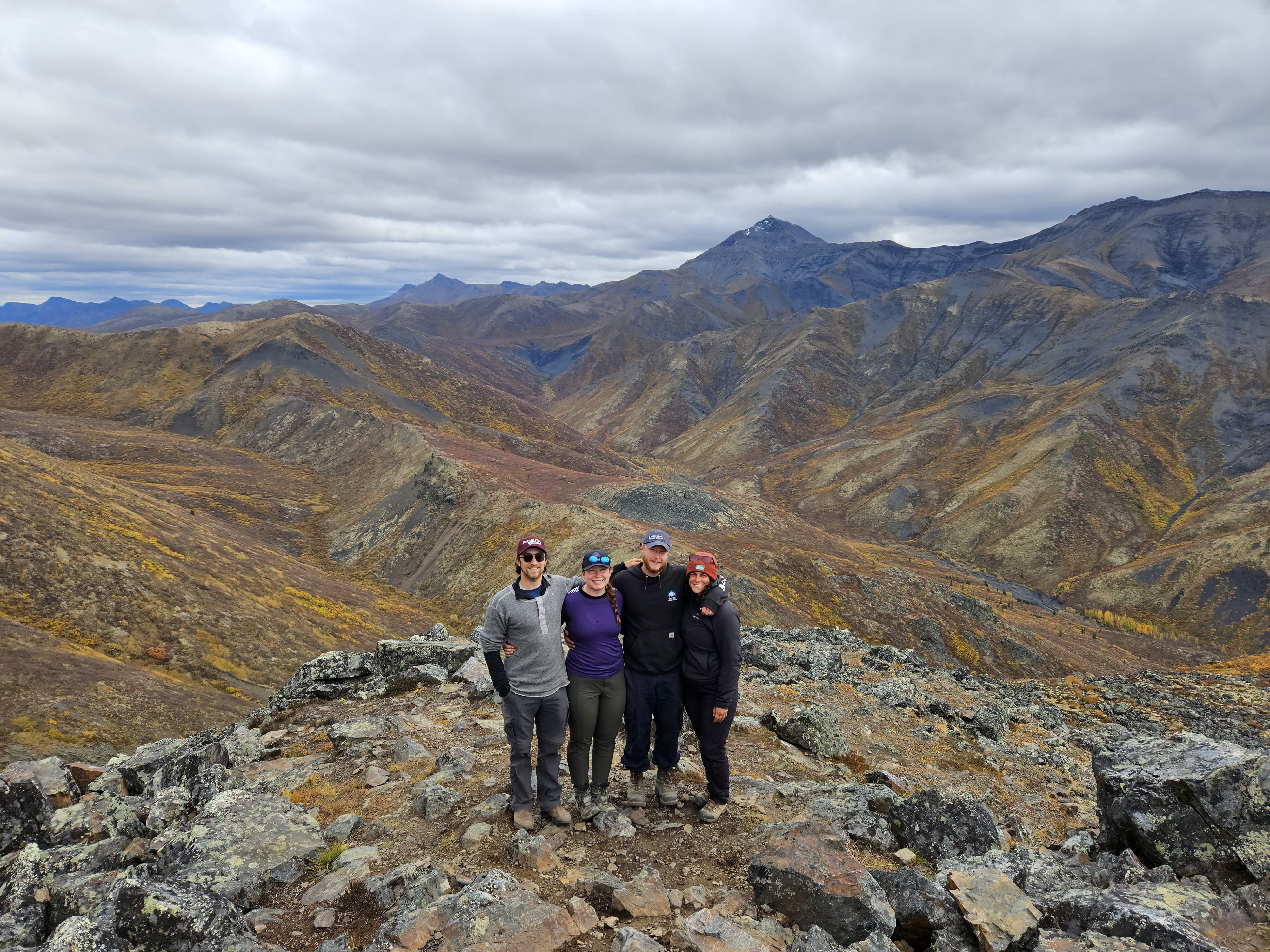
p.s. don’t forget to check out tombstone territorial park after your paddle – it’s a must see!
Discover more from
Subscribe to get the latest posts sent to your email.
